Designing for India? Start With These 5 Foundational Books

As product thinkers, designers, and researchers in India, we know one thing for certain: there is no single Indian user. Our audiences sit at the intersection of diverse demographics, layered cultural norms, uneven digital access, and rapidly shifting socio-economic realities. What works in Bengaluru may fail in Bareilly. What resonates with a first-time internet user may alienate an urban native.
Over the years, our understanding of the Indian consumer psyche has been shaped not just by fieldwork and usability sessions, but also by a handful of deeply insightful books. This list brings together five reads that have fundamentally influenced how we think about users, markets, and mindsets in India.
1. We Are Like That Only - Rama Bijapurkar
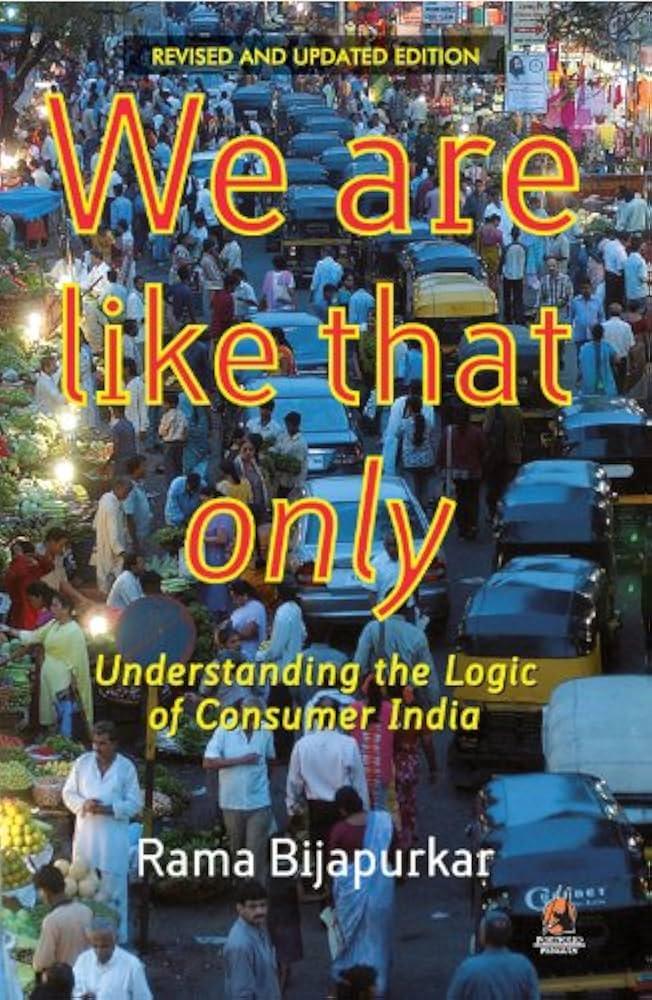
Why it matters for UX research: This book is foundational for understanding Indian consumers without forcing Western models onto Indian contexts.
Key ideas:
- India is not one market but a patchwork of micro-markets shaped by income, access, and aspiration.
- Indian buyers are often value-conscious and aspiration-driven at the same time.
- Consumption is constrained by infrastructure, distribution, and affordability, not just desire.
UX takeaway: Do not assume intent equals ability. In India, choices are often shaped by constraints, trade-offs, and workaround behavior.
2. Dreamers: How Young Indians Are Changing Their World - Snigdha Poonam
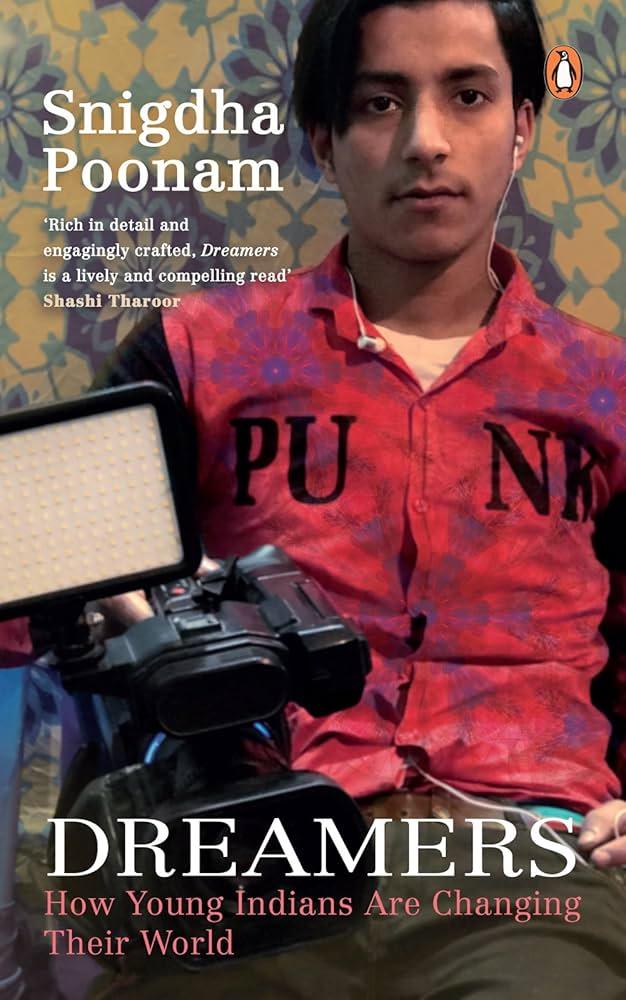
Why it matters for UX research: If your product serves Gen Z or young millennials, this gives crucial emotional context.
Key ideas:
- Small-town youth navigate ambition, unemployment, and social pressure simultaneously.
- Education and English are seen as pathways to mobility, even when outcomes are uncertain.
- Aspiration and opportunity are often out of sync.
UX takeaway: Design for aspirational anxiety. Digital confidence can coexist with deep offline uncertainty.
3. Mother Pious Lady: Making Sense of Everyday India - Santosh Desai
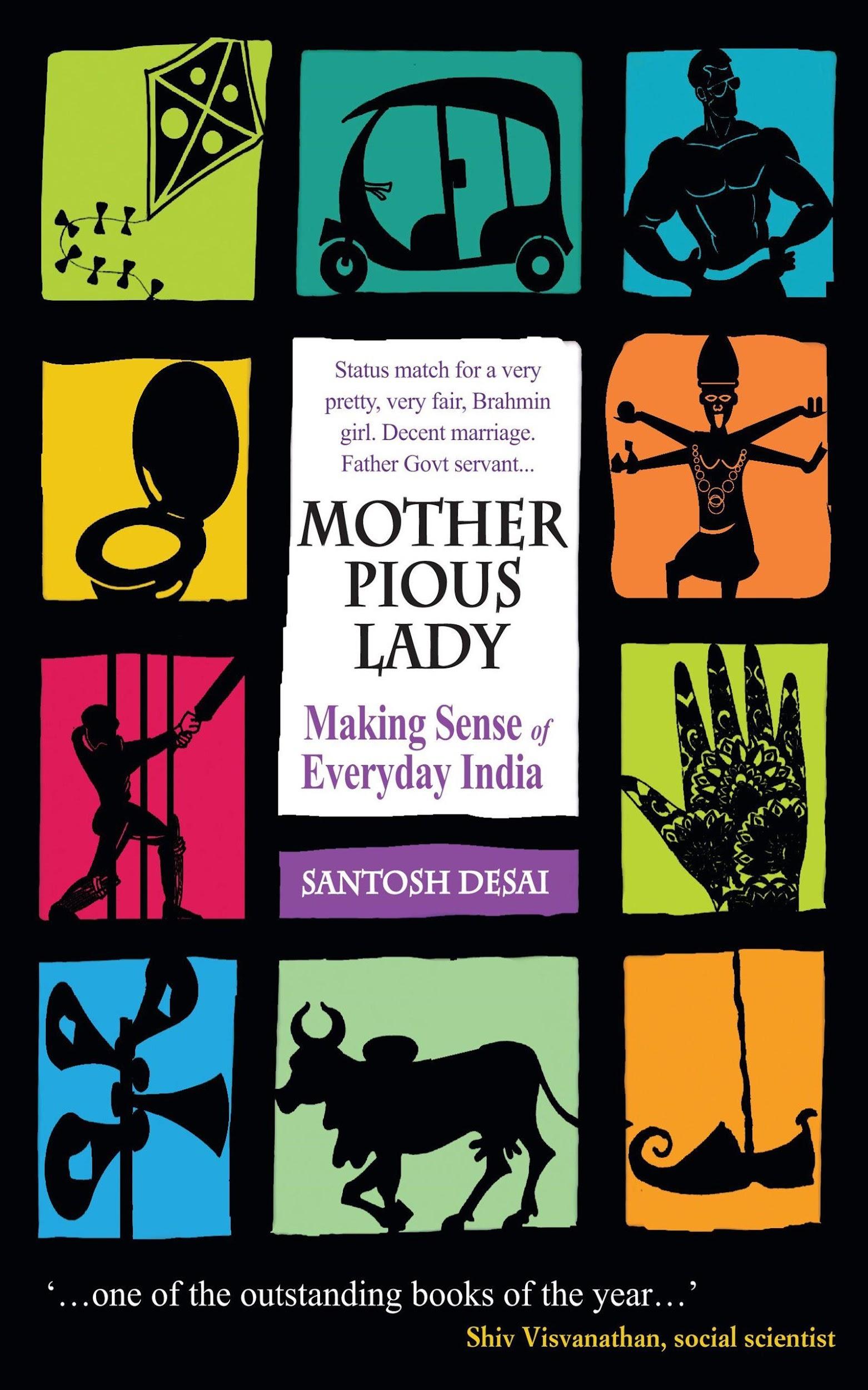
Why it matters for UX research: One of the sharpest cultural readings of the Indian middle class and everyday behavior.
Key ideas:
- The middle class constantly balances aspiration, thrift, and social duty.
- Concepts like paisa vasool reflect value-seeking beyond price alone.
- Family roles and consumption symbols carry strong social meaning.
UX takeaway: Value perception is emotional, social, and economic at once.
4. The Next Billion Users - Payal Arora

Why it matters for UX research: Reframes how we think about internet use in emerging markets.
Key ideas:
- First-time users often come online for entertainment, socializing, and aspiration, not only productivity.
- Low-income users are highly resourceful in stretching data and sharing devices.
- Dignity, visibility, and pleasure are central to digital participation.
UX takeaway: Utility is necessary, but joy, status, and social connection often drive adoption.
5. Supermarketwala: Secrets to Winning Consumer India - Damodar Mall

Why it matters for UX research: Connects retail-ground reality with modern consumer strategy.
Key ideas:
- Kirana mindset and modern retail behavior coexist in the same shopper journeys.
- Trust, familiarity, and local relevance shape purchase decisions strongly.
- Regional nuance matters more than generic nationwide assumptions.
UX takeaway: In India, trust is often relationship-driven, and local context beats generic scale.
Conclusion
Understanding Indian users requires more than dashboards and segment labels. It requires cultural empathy. Across these books, one theme is clear: users in India are shaped by aspiration amid constraint, collectivism amid individual ambition, and pragmatism wrapped in emotion.
In practice, this leads to better interviews, sharper segmentation, and more context-sensitive design decisions. It reminds us that tradition and modernity often negotiate in the same household, and that scale in India always comes with heterogeneity.
If there is one lasting takeaway, it is this: designing for India requires intellectual humility. The more we listen, observe, and unlearn our assumptions, the better we become at building products that truly resonate.